

Construction sites change quickly. The office should not be the part of the project. A run site office gives supervisors, engineers, contractors and visitors a practical space to plan work keep documents safe and coordinate daily tasks.
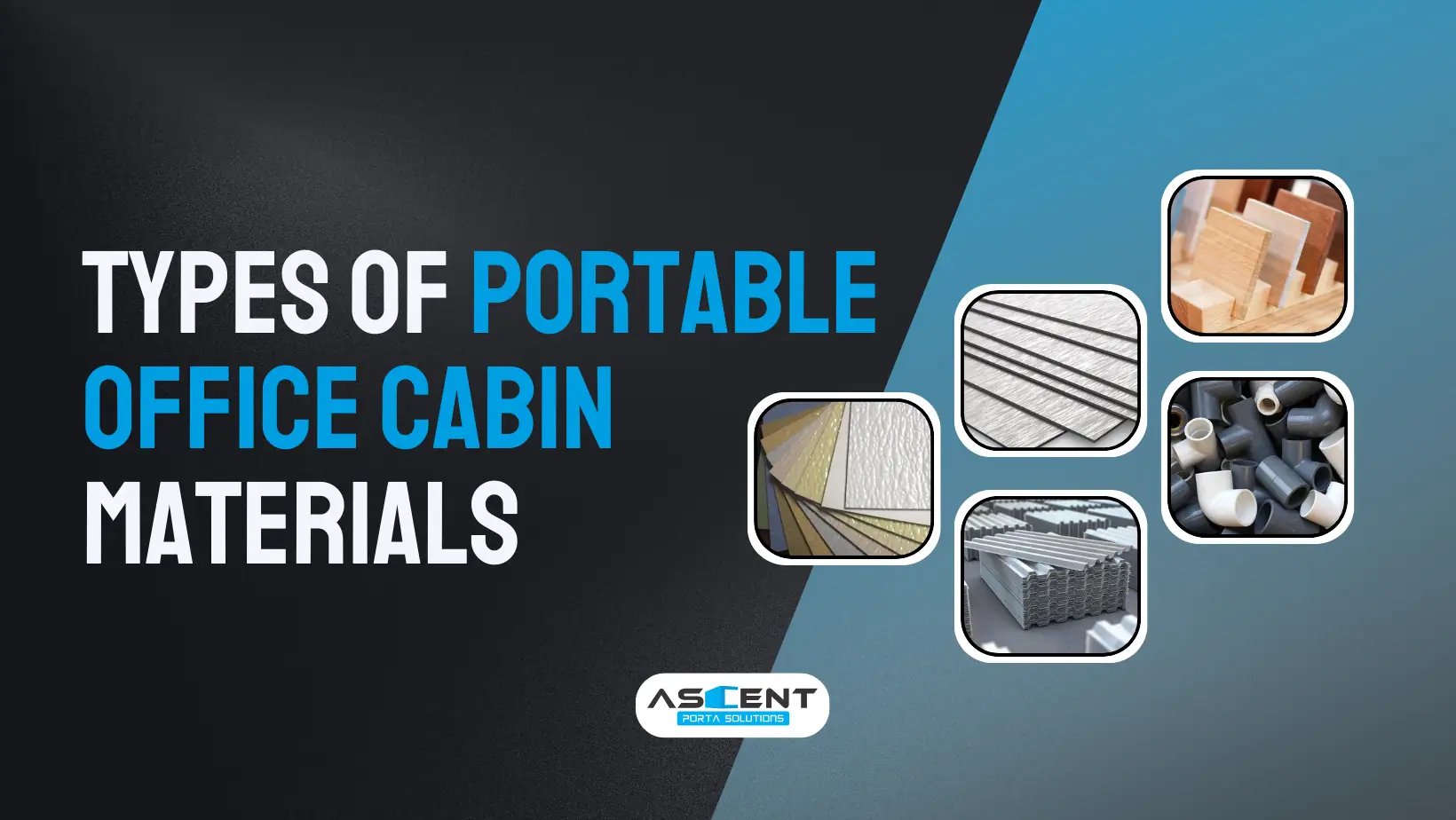
The right material matters as much as the layout. The right material can be FRP, steel or GI. A FRP office cabin is good, for projects that need weight and corrosion resistance. Steel or GI construction works better for projects that need strength, impact resistance and long‑term structural use.
What is a site office cabin and why is it useful?
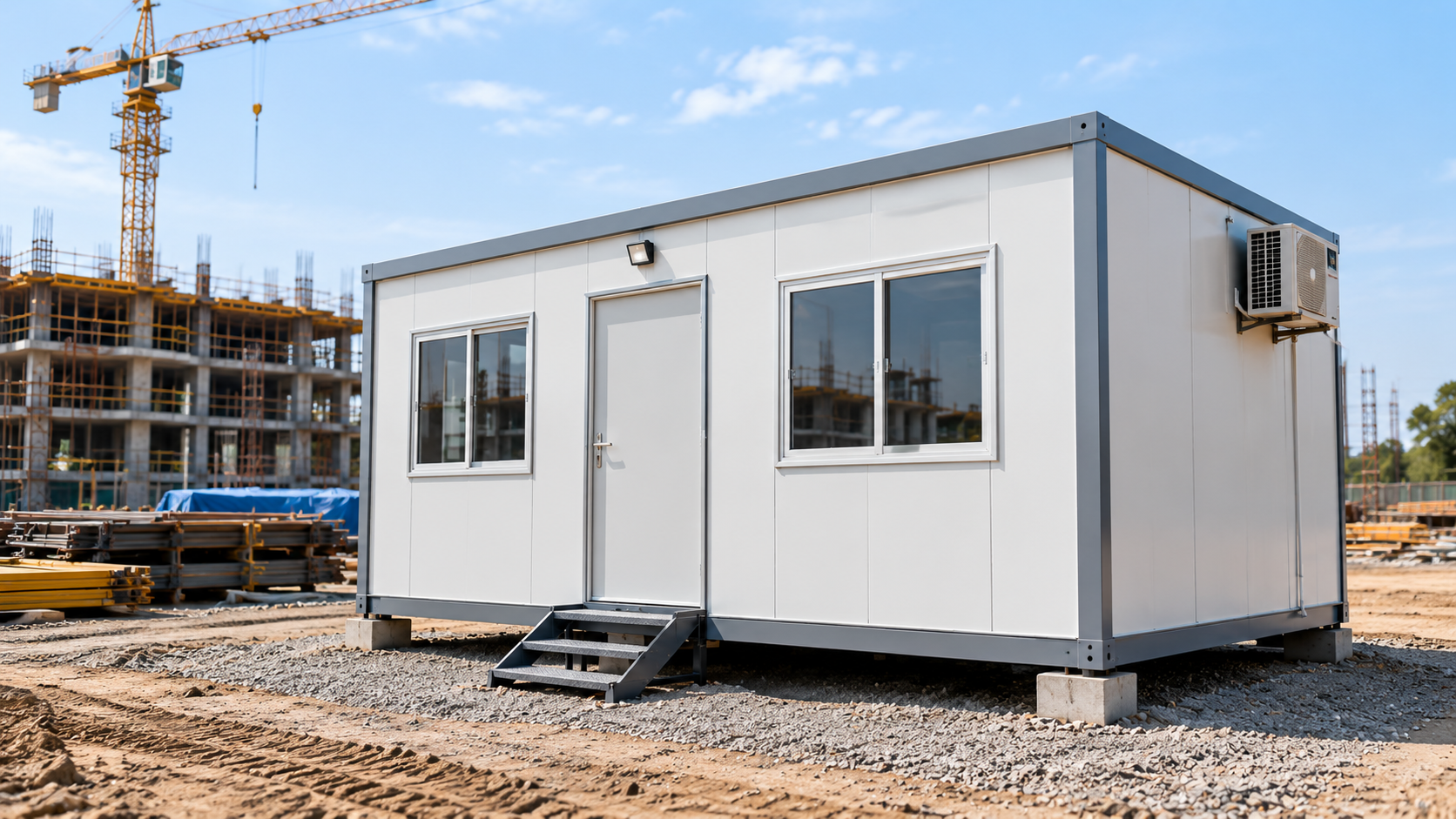
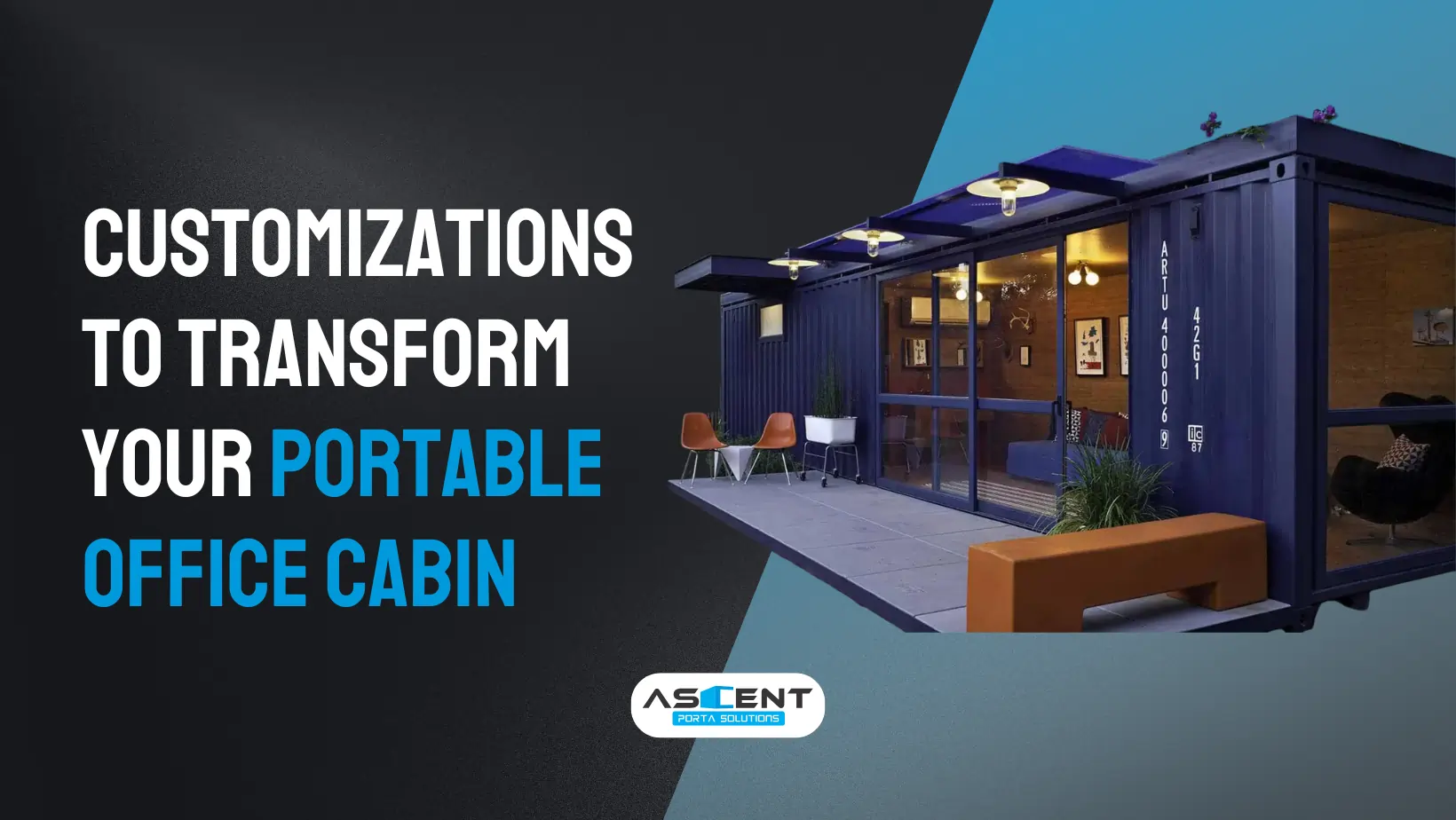
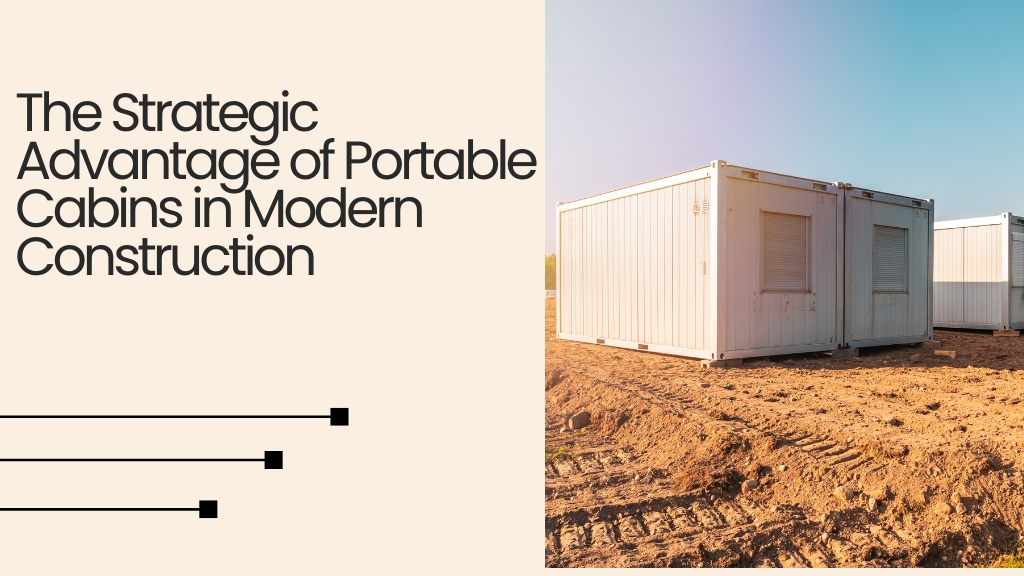
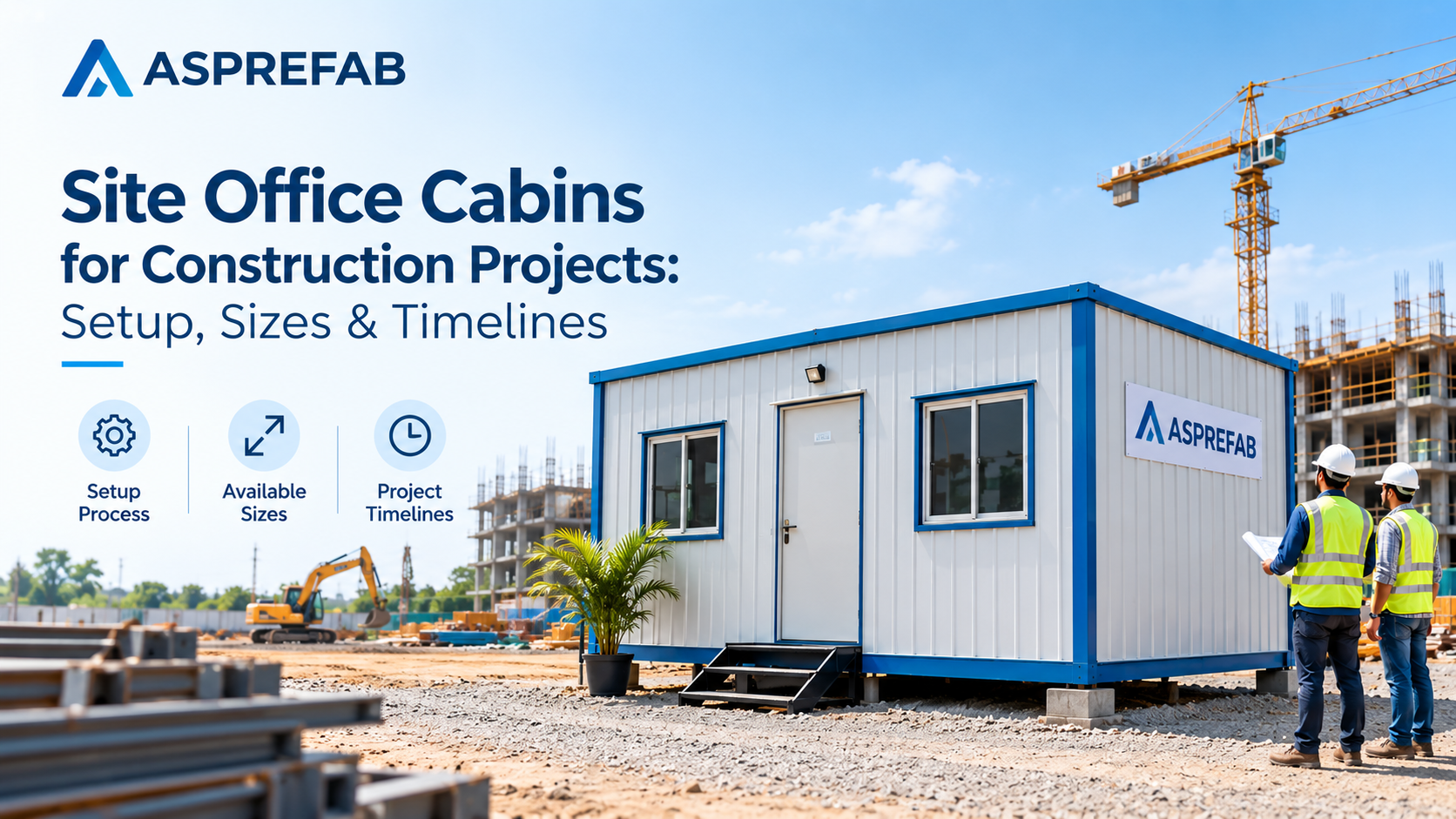
A site office cabin is a factory-made or fabricated office cabin workspace that can be installed at a construction, infrastructure, industrial or temporary project site. It can include electrical points, lighting, windows, doors, flooring and other office essentials.
Prefabricated office cabins differ from a permanent masonry office and can reduce on-site construction work. The exact installation process depends on the cabin design, foundation or support arrangement, transport access, utilities and the supplier’s scope. For a frp office cabin, these checks are still essential.
For buyers, the main question is not simply “Which cabin is cheapest?” It is “Which material will perform reliably at my site?” A frp office cabin should be judged against the actual site conditions.
Which materials are commonly used for site office cabins?
Two broad choices are frp office cabin construction and steel/GI-based construction. Both can work, but their advantages are different.
A frp office cabin uses fibre-reinforced polymer, a composite material made from a polymer matrix reinforced with fibres. Research describes frp office cabin materials as lightweight and corrosion resistant, with useful strength-to-weight characteristics.
Steel cabins use a metal structural frame, while GI usually refers to galvanized iron or galvanized steel components protected with a zinc coating. Zinc coatings protect steel by creating a barrier and giving cathodic protection although performance depends on how thick the coating's, on the exposure conditions.
That difference becomes important when the cabin faces rain, salt air, humidity, heavy movement or frequent relocation.
How does FRP compare with steel or GI for weight?
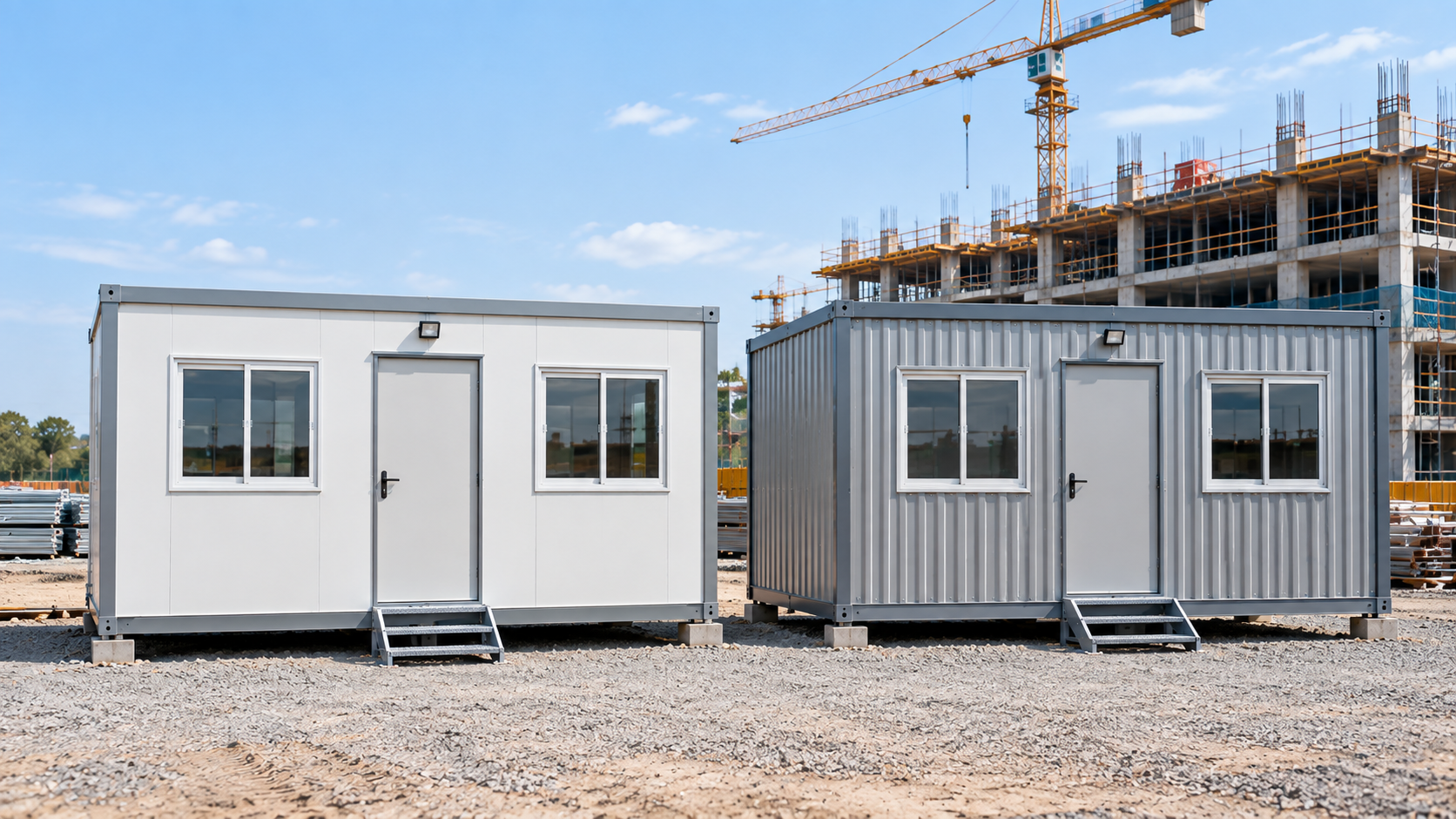
FRP is valued for having a strength‑to‑weight ratio. Steel is valued for having structural strength and high stiffness. The real weight of a cabin depends on the cabin’s frame the cabin’s panels, the cabin’s flooring the cabin’s glazing, the cabin’s furniture and the cabin’s equipment. The complete frp office cabin specification matters more than the material name alone.
A frp office cabin may be easier to handle when a project needs a lighter enclosure. That can simplify planning for some relocatable projects. Steel and GI cabins can be heavier, but the added mass may be useful where the cabin needs a substantial frame or regular use by many workers.
Do not compare material names alone. Ask for the complete cabin weight, lifting method, support arrangement and transport requirements before ordering.
Is FRP better for coastal and high-humidity sites?
For coastal and high-humidity locations, corrosion resistance deserves special attention. A frp office cabin does not rust like ordinary carbon steel when its FRP components are used as the exposed material, which is one reason FRP composites are widely studied for corrosion-sensitive applications.
A frp office cabin can therefore be considered for sites exposed to moisture, coastal air or corrosive surroundings. However, buyers should inspect the complete system rather than only the wall material. Fasteners, frames, hinges, door hardware, electrical fixtures and other metal parts can still need suitable corrosion protection. A cabin is a system, not just a panel. This is especially important when specifying a frp office cabin for a wet site.
Steel can also work in these environments when the right galvanizing, coating, detailing and maintenance approach is used. ISO 14713-1 specifically addresses zinc coatings and corrosion resistance for steel exposed to different environments.
Which material offers better insulation?
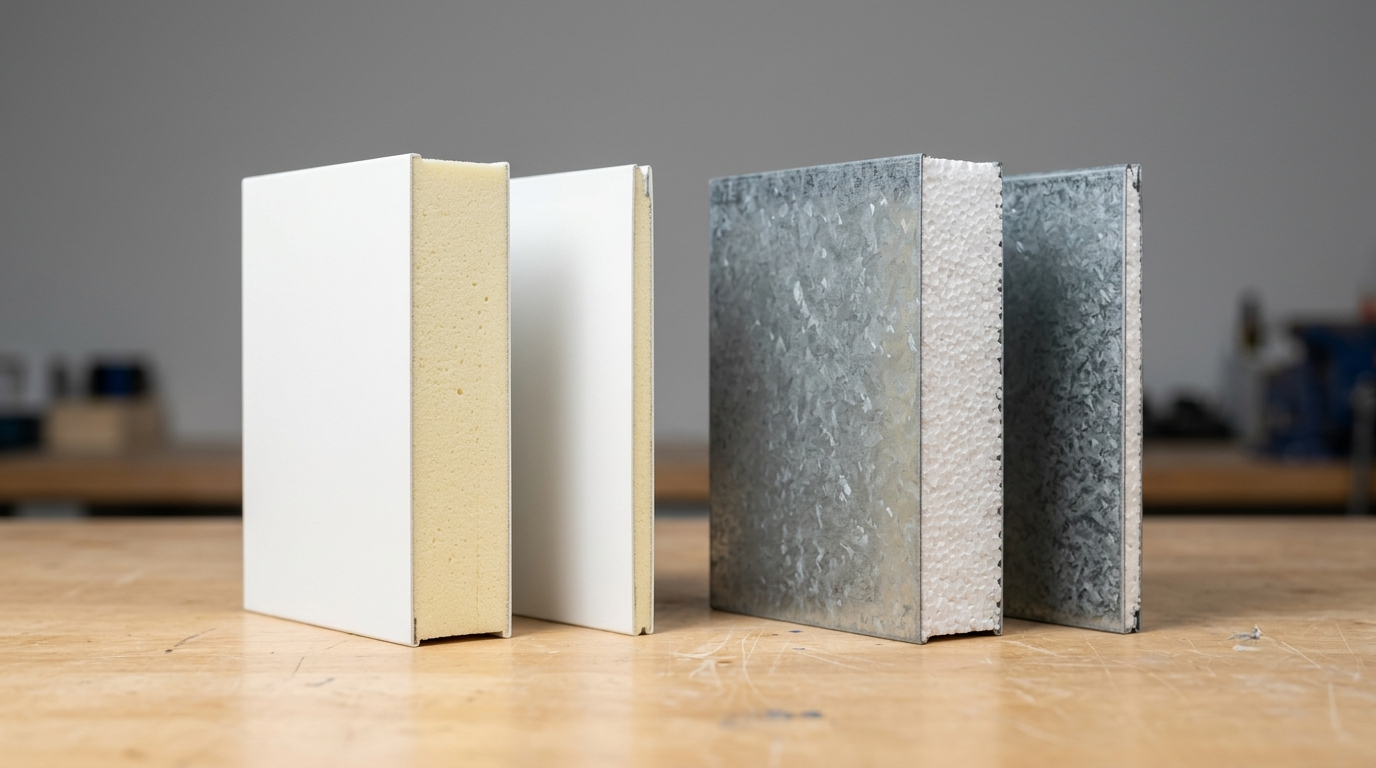
Insulation does not depend only on whether the cabin is a frp office cabin or steel. Panel construction, insulation core, thickness, joints, windows, roof design and ventilation all affect indoor comfort.
A frp office cabin can be designed with insulated panels, but FRP by itself should not be treated as a complete insulation specification. Ask for the panel build-up and insulation material. Steel or GI cabins can also provide comfortable interiors when they use suitable insulated wall and roof panels. The important point is to compare the full wall and roof assembly rather than the outer skin alone.
For hot construction sites, also check roof insulation, window area, ventilation and air-conditioning provisions. A frp office cabin still needs good thermal detailing.
Does a fabricated office cabin last longer?
A fabricated office cabin can last a time if its structure, panels, joints and finishes fit the surroundings and are properly maintained. There is no lifespan that fits every office cabin.
A frp office cabin has corrosion‑resistance advantages. Yet the long‑term performance of a frp office cabin still depends on the resin system the fibre type, the manufacturing quality, UV exposure, impact and maintenance. Research continues to examine the long-term performance of frp office cabin systems, so avoid buying based on an unsupported “lifetime” claim. For steel or GI cabins, corrosion protection is a major part of durability. Zinc coating performance depends on the environment and coating characteristics.
The better buying question is: What materials are used, how are they protected, and what maintenance does the supplier recommend?
Is an FRP office cabin cheaper than a steel cabin?
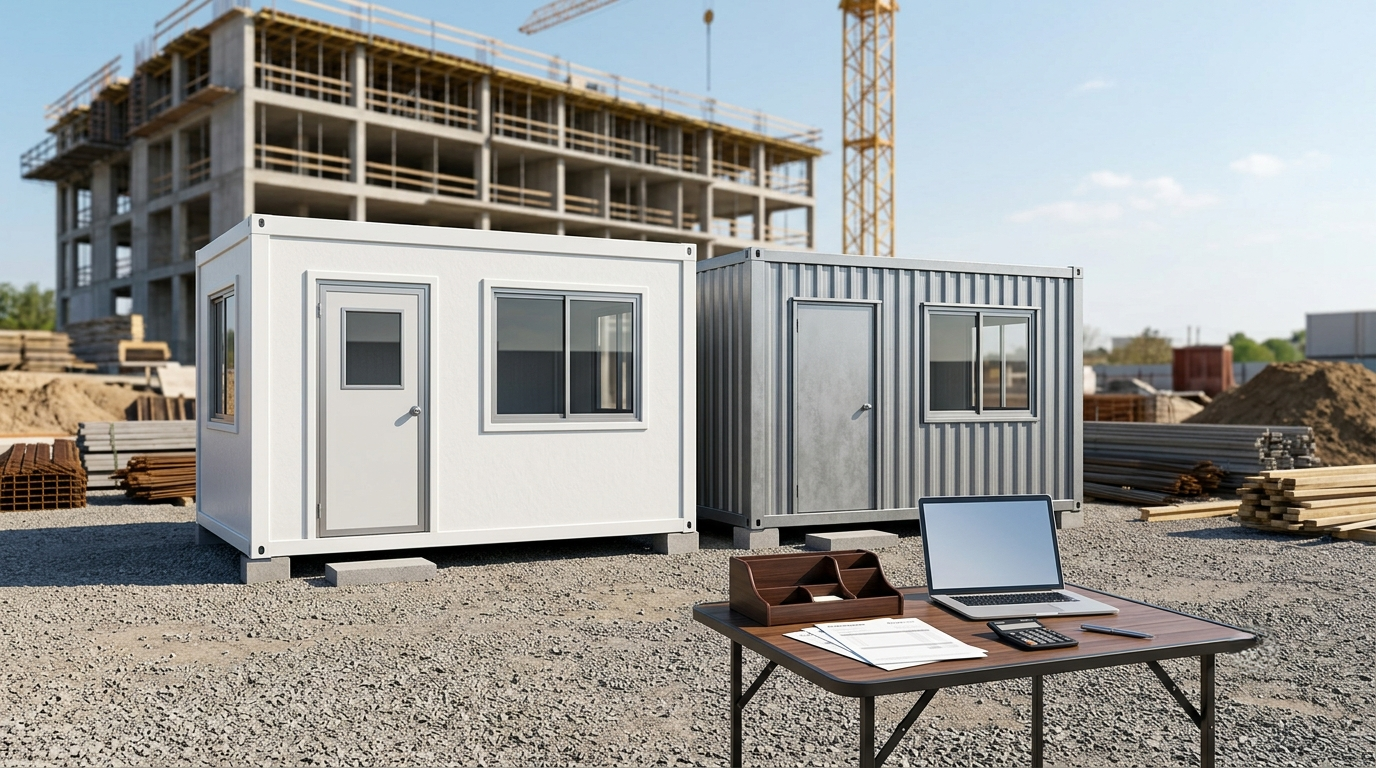
There is no reliable one-price-fits-all answer. Cost changes with size, frame, panel specification, insulation, flooring, doors, windows, electrical work, furniture, transport and installation. A frp office cabin may reduce handling requirements because of lower weight, but the final project cost still depends on its construction and accessories. Get the full specification in writing.
A steel or GI cabin might cost more at first. Could be better, for a project that needs a stronger structure or that will see a lot of heavy use. People who are buying should look at quotes instead of just looking at the cost of the material.
Ask suppliers to separate cabin manufacturing, transportation, installation, electrical work and optional furniture. This makes quotations easier to compare.
What sizes work for construction site offices?
There is no single standard size for every project. Small cabins can work as security or supervisor rooms, while larger units can accommodate several desks, meeting space, storage and basic staff facilities.
For example, a porta cabin office can be planned around the number of users, desk arrangement, document storage, equipment and circulation space. If the cabin will support a large project team, a larger unit or multiple connected cabins may be more practical.
Before finalising dimensions, mark the proposed cabin footprint on the site. This step is useful when planning a frp office cabin around existing access routes. Check access for trucks and lifting equipment, clearance from other structures, drainage and the location of electrical connections.
How long does site office cabin setup take?
Setup time varies by project and should not be promised as a fixed number of days without checking the scope. Factory readiness, transport distance, site access, foundation preparation, lifting equipment and utility connections can all affect the schedule. A frp office cabin may be convenient where lightweight handling is useful, but delivery still depends on road access and site readiness.
A practical project sequence is simple: confirm drawings and specifications prepare the support area, manufacture or finish the cabin, arrange transport place the unit connect utilities and complete inspection. For a frp office cabin, confirm lifting and handling requirements early.
Ask the supplier for a written delivery and installation schedule. It should identify what the supplier handles and what the site team must prepare.
How should buyers choose between FRP and steel/GI?
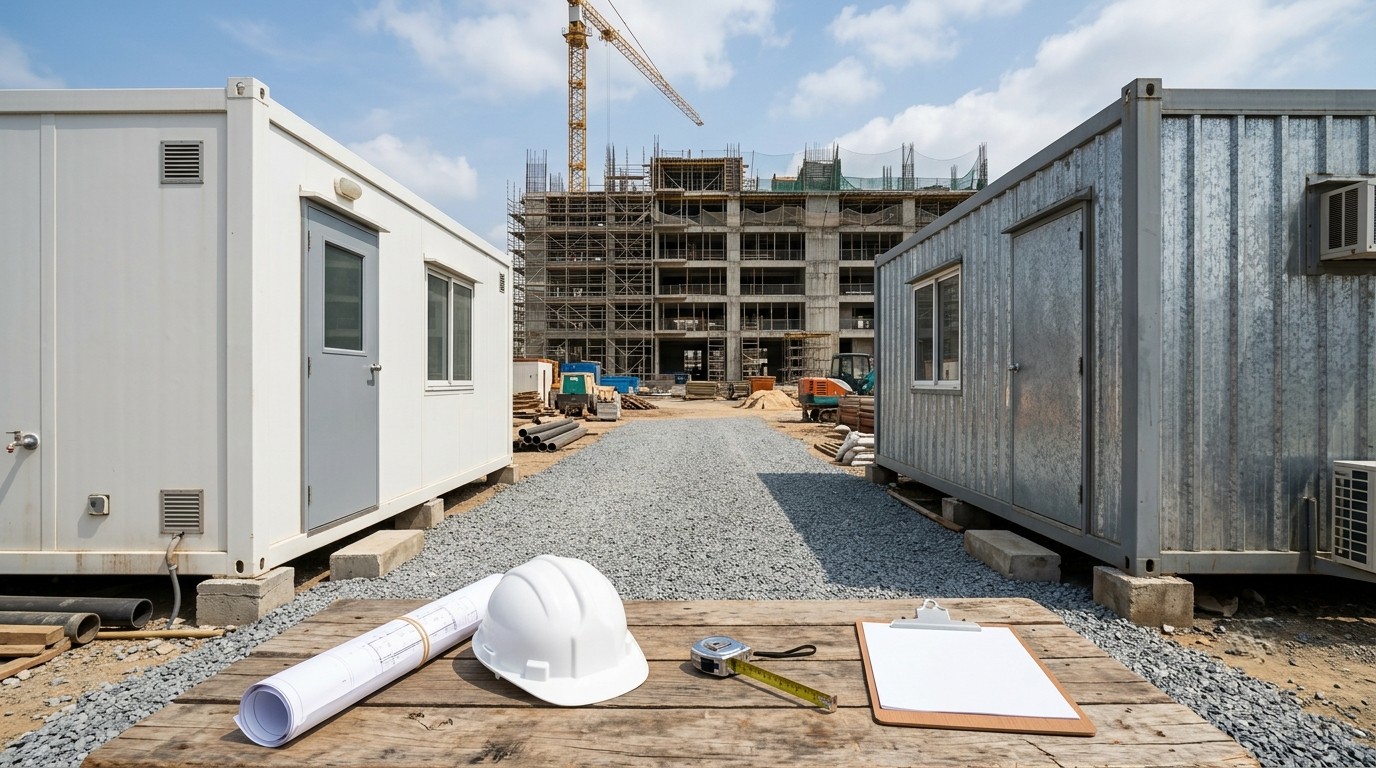
Start with the site conditions, not the sales brochure. An FRP office cabin deserves consideration when corrosion resistance, lower weight and relocation are important. Choose steel or GI when the project needs a metal frame and when the corrosion‑protection system you have matches the exposure conditions.
Galvanized steel is not corrosion‑proof. Its protection relies on the zinc coating and, on the environment.
For coastal locations, focus strongly on corrosion protection. For high-humidity sites, check joints and exposed metal parts. For high-traffic sites, pay attention to impact resistance, doors, hardware and structural design.
For frequent relocation, compare total weight and lifting requirements. For long-term use, compare maintenance requirements and the complete construction rather than choosing on material name alone.
What should you ask a supplier before ordering?
A checklist can prevent expensive surprises. Ask for the material and frame specification, panel thickness, insulation details, flooring, roof construction, door and window specification, electrical provisions and cabin weight.
Also ask whether transport, lifting, installation, foundation work and utility connections are included. Clarify the warranty, maintenance requirements and what happens if a panel or hardware component needs replacement.
For a frp office cabin, ask specifically about UV exposure, impact resistance, panel composition and the materials used for joints and hardware.
For steel or GI construction, ask about the grade of steel, galvanizing or coating system and corrosion-protection approach. These details tell you far more than a simple “premium quality” label. They are particularly useful when comparing a frp office cabin with steel alternatives.
How can construction teams plan the setup smoothly?
Good preparation removes most avoidable delays. The site team should confirm the cabin location, access route, ground condition, support arrangement, drainage and utility points before delivery. Keep enough clear space for the delivery vehicle and lifting equipment. Confirm whether the cabin arrives ready for use or needs assembly, electrical connection, furniture installation or other finishing work.
A simple site checklist should cover location, level, access, lifting, power, water if required, drainage, safety clearance and final inspection. Add the frp office cabin weight to the checklist.
This planning also helps compare Portable Office Cabins with other Prefabricated Structures when the project needs a larger temporary facility.
Summary: what is the practical choice?
The right cabin material depends on the site, not a universal “best” material. FRP offers lightweight and corrosion-resistant characteristics, while steel and GI can provide strong structural solutions when correctly designed and protected. A frp office cabin can be useful for coastal, humid or relocation-sensitive projects, provided the complete cabin system meets the required performance. Steel/GI can be suitable for demanding sites when its structural and corrosion-protection specifications match the environment.
Before buying, compare the complete specification, weight, insulation, corrosion protection, maintenance, transport and installation scope. That simple comparison can save both time and headaches.
If you are unsure which material fits your project, Get Material Advice before finalising the cabin specification.
Site conditions—salt, rain, dust, traffic—should guide specification before price.