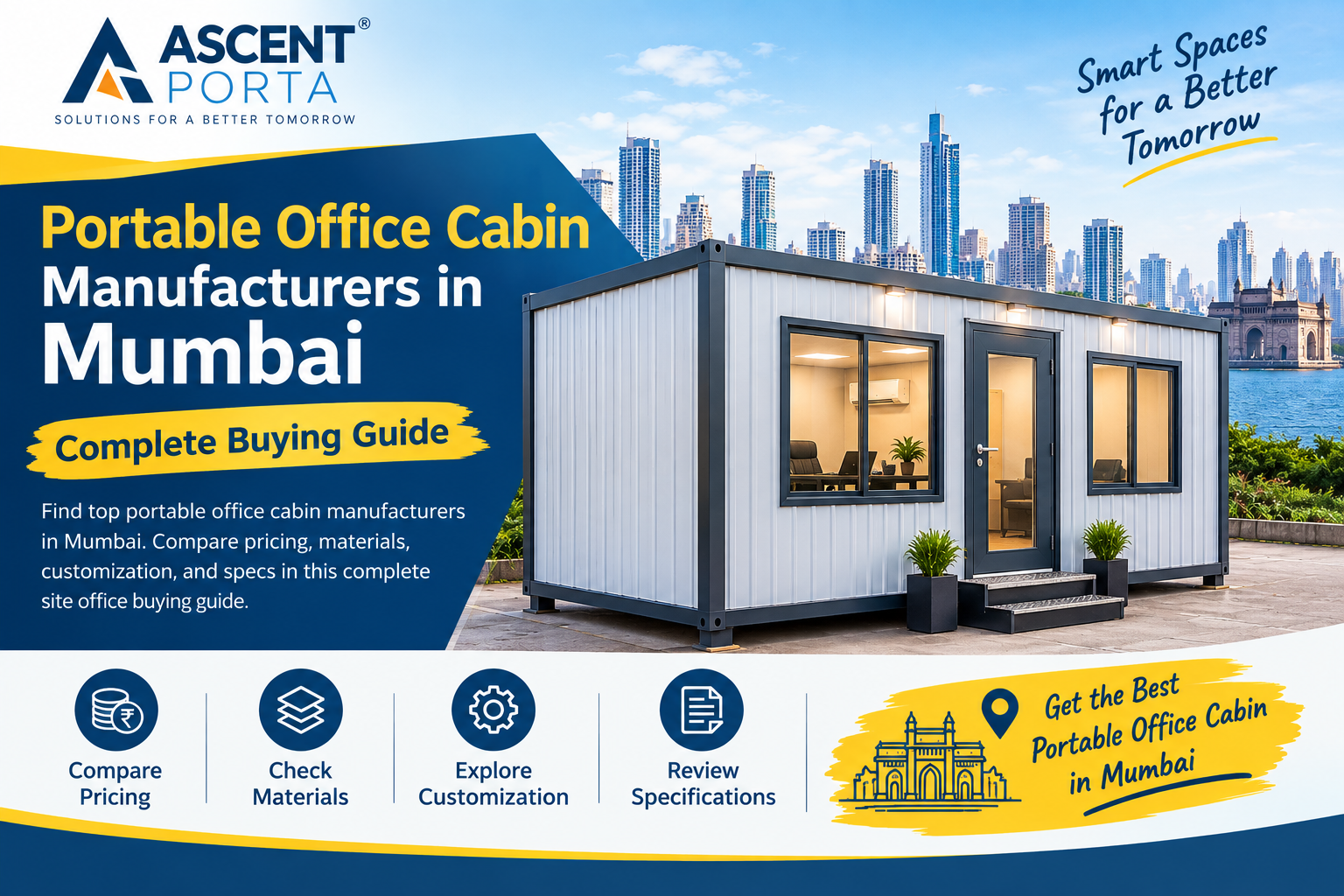


If you are looking for office cabin manufacturers in Mumbai do not let price be the only thing you compare. A suitable portable office cabin must survive weather, transport difficulties, site conditions, office needs and the installation process.
Mumbai and the wider MMR region have challenges of their own. Heavy monsoon rain, waterlogging in spots, narrow roads, traffic limits and small installation areas can all affect a portable office cabin project.
This guide tells buyers what to check before ordering an office cabin from a manufacturer that serves Mumbai. It covers details, monsoon protection, transport, electricity, customization and after‑sales help.
What is a portable office cabin?
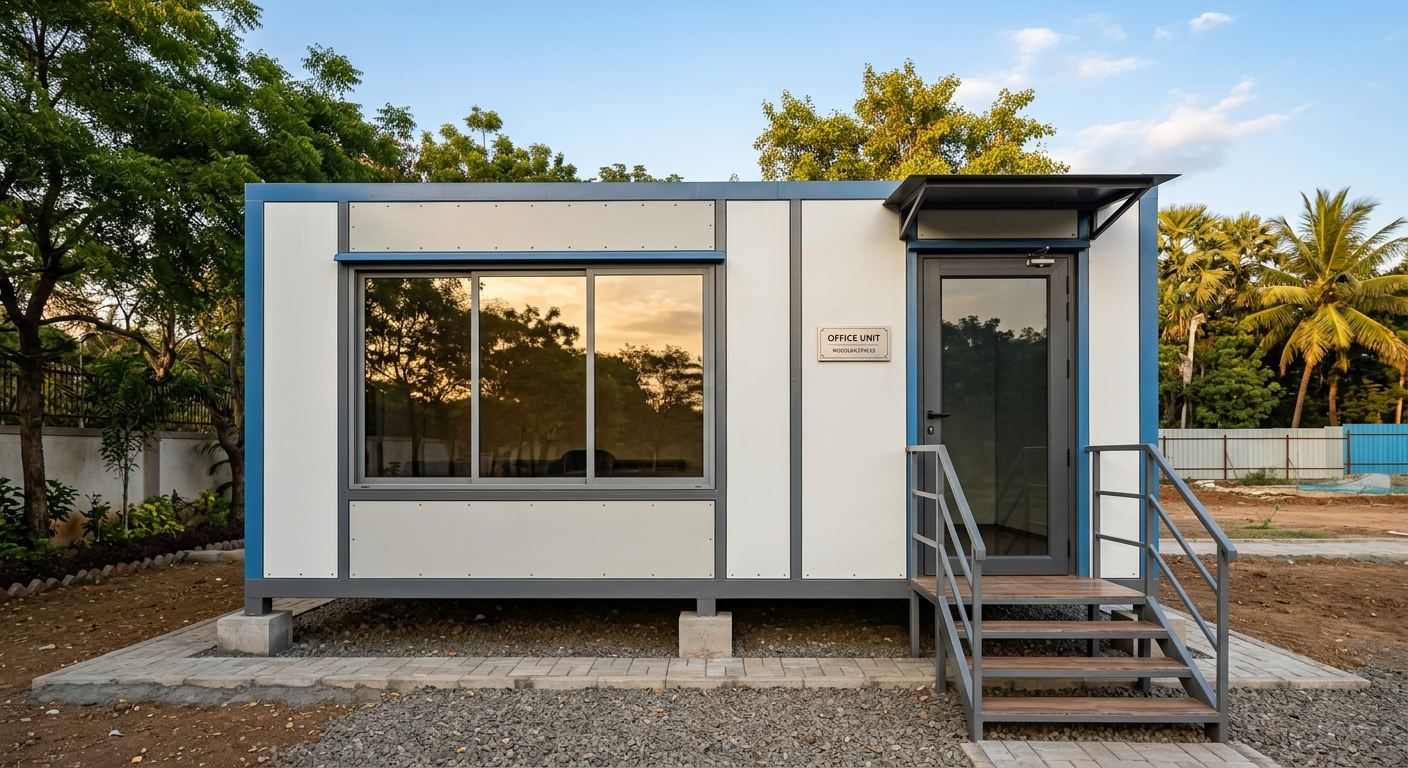
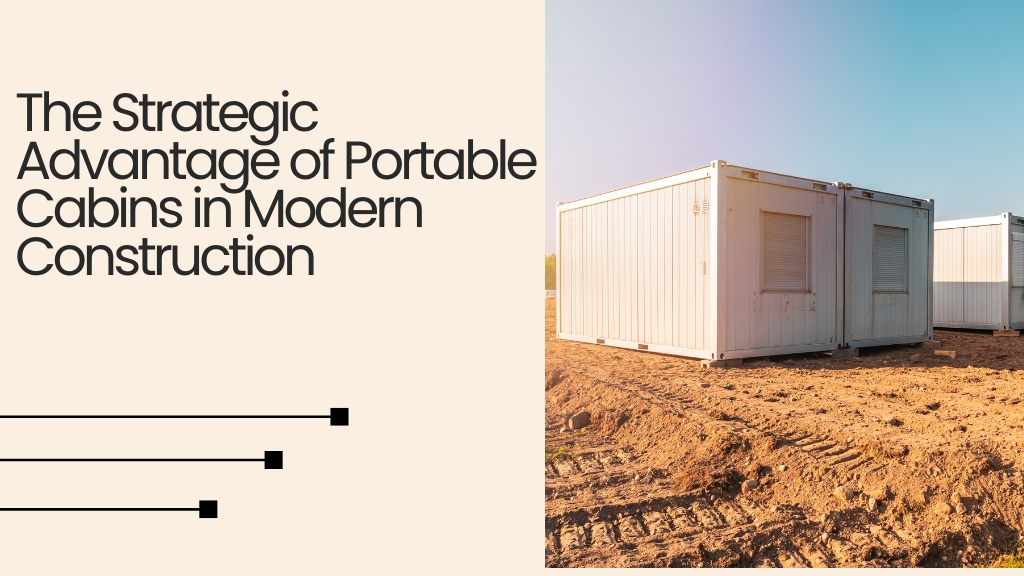
A portable office cabin is a workspace built or put together in a factory moved to the site where it will be used. Than building a whole office on site the main parts of the portable office cabin are made beforehand and then set up where the office will be. Portable office cabins fit construction sites, factories, warehouses, infrastructure works, commercial buildings, schools and any place that needs a working office. Depending on the maker and the use a portable office cabin can have a frame, insulated walls, a roof, floor, doors, windows, power plugs and interior trim. The key idea is that portable does not automatically mean short‑term or cheap. How well a portable office cabin works depends on the materials, design, making, set up and care.
For a look at available configurations and applications explore Portable Office Cabins.
Why are portable office cabins useful in Mumbai and MMR?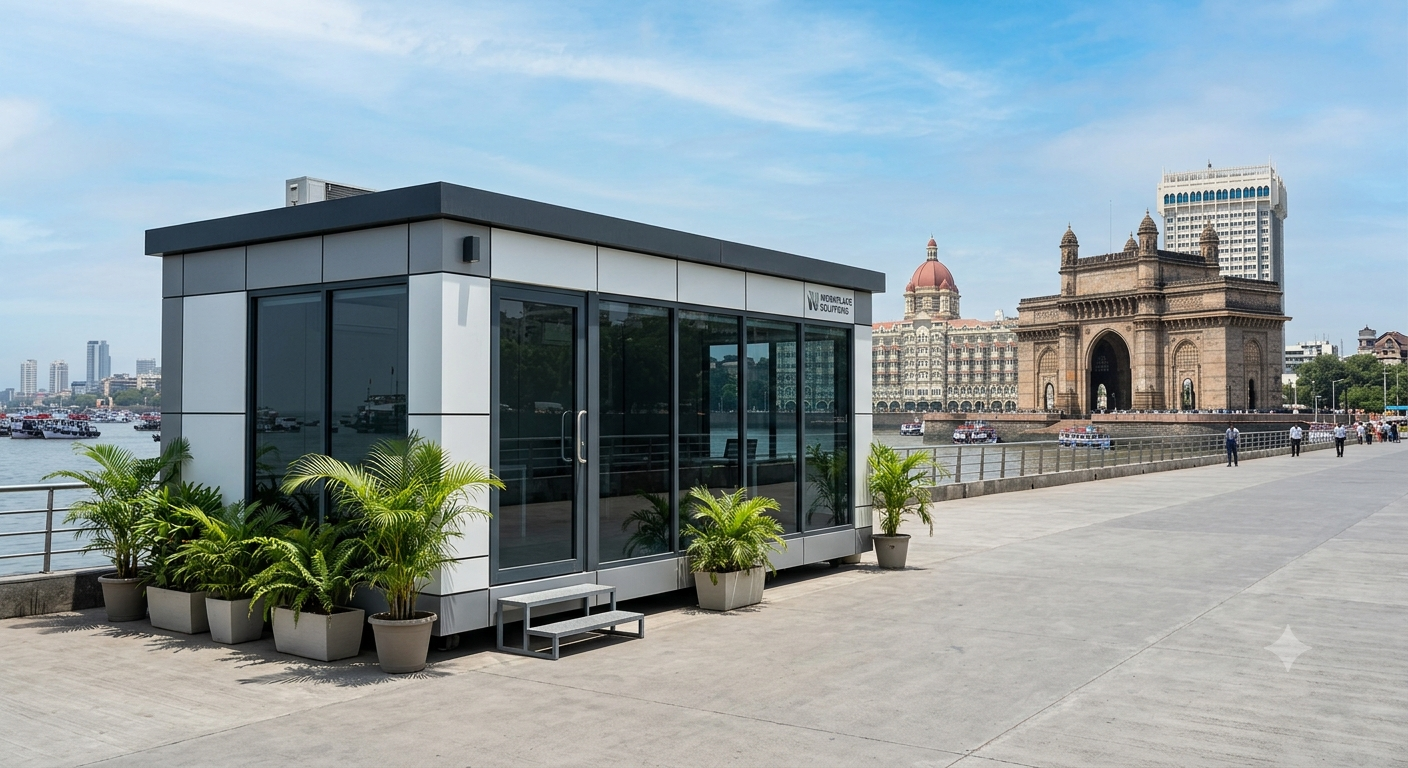
Portable office cabins give an office when a project needs one without waiting for normal construction to finish. They are very handy for construction sites, factories, warehouses, infrastructure works, commercial projects and any work where the office might later move. Mumbai adds another point: the portable office cabin must work not after it is set up but also while it is being delivered. A portable office cabin can be well designed,. If the truck cannot get to the site or the cabin cannot be taken off the truck safely the project can get messy fast.
What makes Mumbai's climate important for cabin design?
Mumbai sees a lot of rain during the southwest monsoon. Heavy rain can flood places and stop transport in weak spots. An India Meteorological Department study says Mumbai has rain bursts before and during the monsoon and it shows how big rain events cause city flooding. The IMD has also recorded rain and city flooding in Mumbai, such as a long heavy rain spell in August 2025. Tip: a portable office cabin for Mumbai must be planned with rain control, roof design, drainage and the local site in mind.
What should you check before choosing office cabin manufacturers in Mumbai?
Begin with the maker’s details instead of pictures or a simple price quote. Ask about the frame wall panels, roof, insulation, floor, doors, windows, power system, waterproofing, transport set up and warranty. A trustworthy quote should state what the portable office cabin gives you.
1. What structural frame is being used?
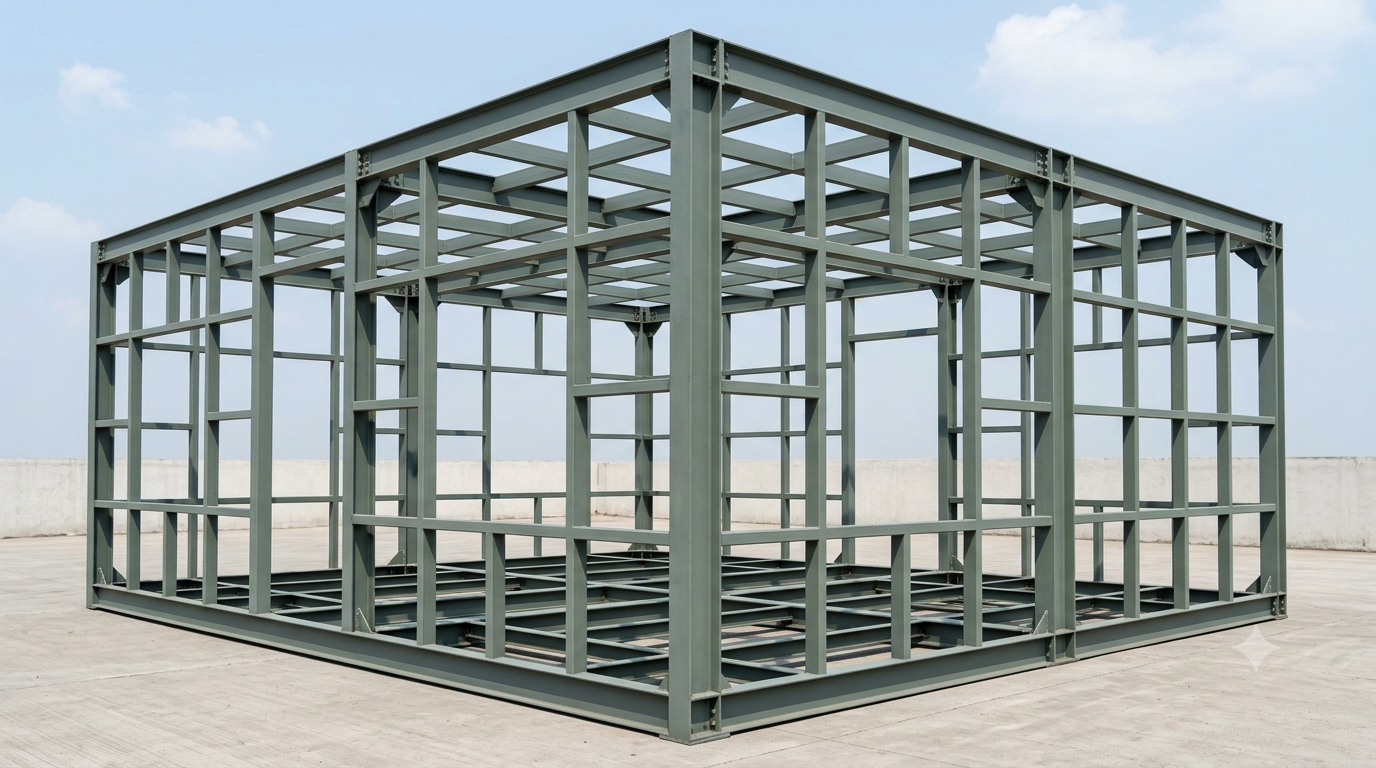
The structural frame is one of the most important parts of a portable office cabin. Ask the maker which material the portable office cabin frame uses, which sections are planned how the pieces join and what corrosion‑protection system is offered. For buildings wind load design follows IS 875 (Part 3):2015, a part of India’s rules. Exact design rules vary with the office cabin and its use so buyers should ask the maker or engineer which standards fit their specific project. The National Building Code of India gives a guide for structural plans, building services, building work, safety and related fields.
Do not accept words like ‘heavy‑duty frame.’ Ask for the specification.
2. How is the steel protected against corrosion?

Mumbai’s humid coastal air makes corrosion protection a point, for steel parts. Ask if the portable office cabin frame is painted, galvanized or uses another protected system. Importantly ask which surface prep and coating process is used. The maker’s reply must be clear enough so you know how the steel will be protected for its expected life.
3. What wall system is being used?
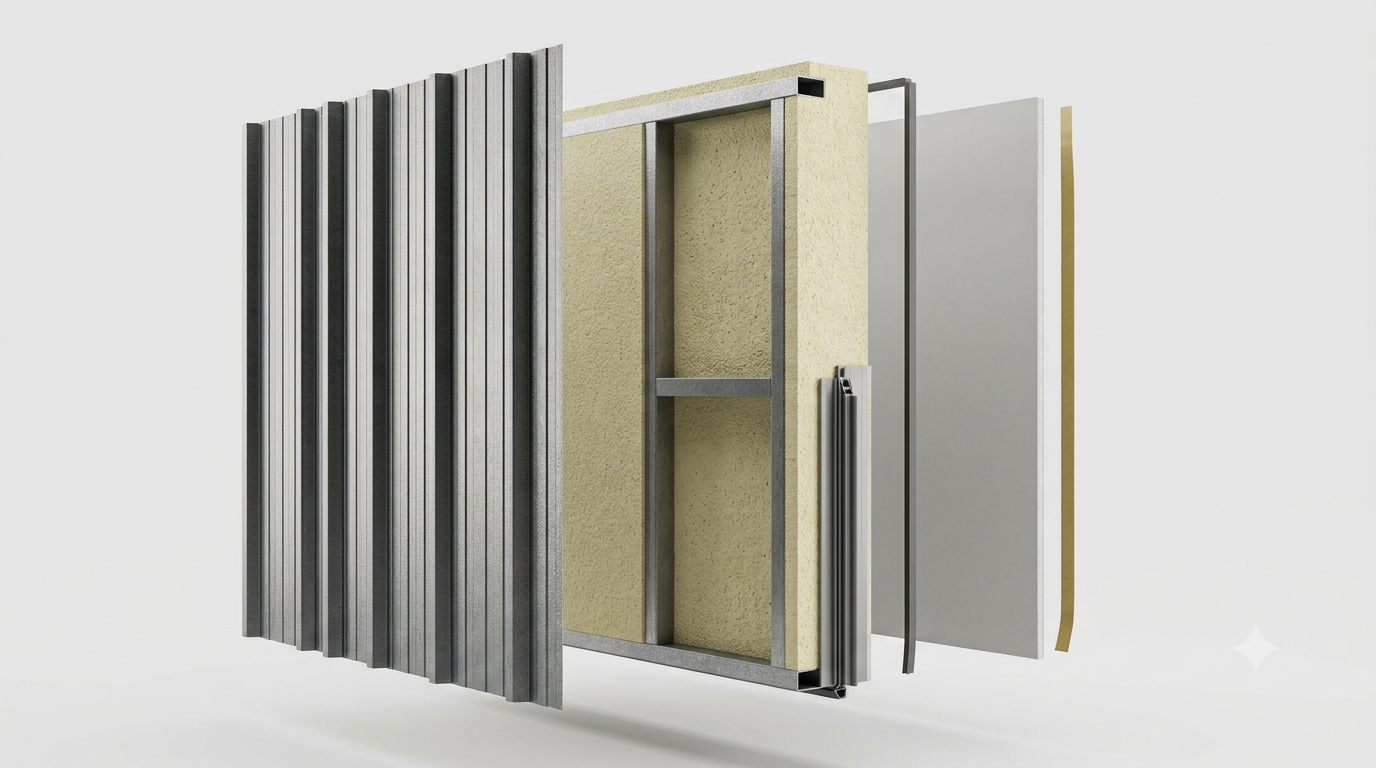
The wall system changes how the portable office cabin insulates, how warm or cool it feels, how it looks, how it is kept and how long it lasts. The design of a cabin can decide whether to use insulated sandwich panels or another prefabricated wall assembly.
Ask for the wall build‑up, including:
- External sheet or cladding
- Insulation material
- Insulation thickness
- Internal finish
- Panel joints
- Frame connection
- Waterproofing details
This gives you far more information than simply hearing that the portable cabin is "fully insulated.”
How should a portable office cabin be prepared for Mumbai’s monsoon?
For Mumbai projects monsoon protection should be considered during the design of the cabin rather than added after the portable cabin is completed. The objective is not simply to make the roof waterproof. Water must be managed around the roof, joints, windows, doors, floor level and site drainage of the cabin.
What monsoon‑proofing features should you check?
Start with the roof. Ask how rainwater will drain from the roof and how roof joints, edges, penetrations and connections are sealed on the cabin. Then examine wall joints. Sealed joints can become leakage points even if the wall panels of the portable cabin resist water. Doors and windows also need attention. Ask about sealing, frame design, thresholds and drainage arrangements for the cabin. Finally consider the cabin’s relationship with the ground. A designed portable cabin can still face problems if it is placed directly on a poorly drained surface.
Why does the finished floor level matter?
The portable cabin should be positioned according to the site conditions and drainage arrangement. The appropriate support system may involve a concrete base, steel supports, pedestals or another suitable arrangement depending on the site of the portable cabin. Mumbai’s storm‑water infrastructure is extensive. The BMC continues to undertake work related to storm‑water drainage. The key question to ask your manufacturer is: "How will water move away from the cabin after heavy rainfall?” That question shifts the conversation from simply buying a portable cabin to planning a usable workspace.
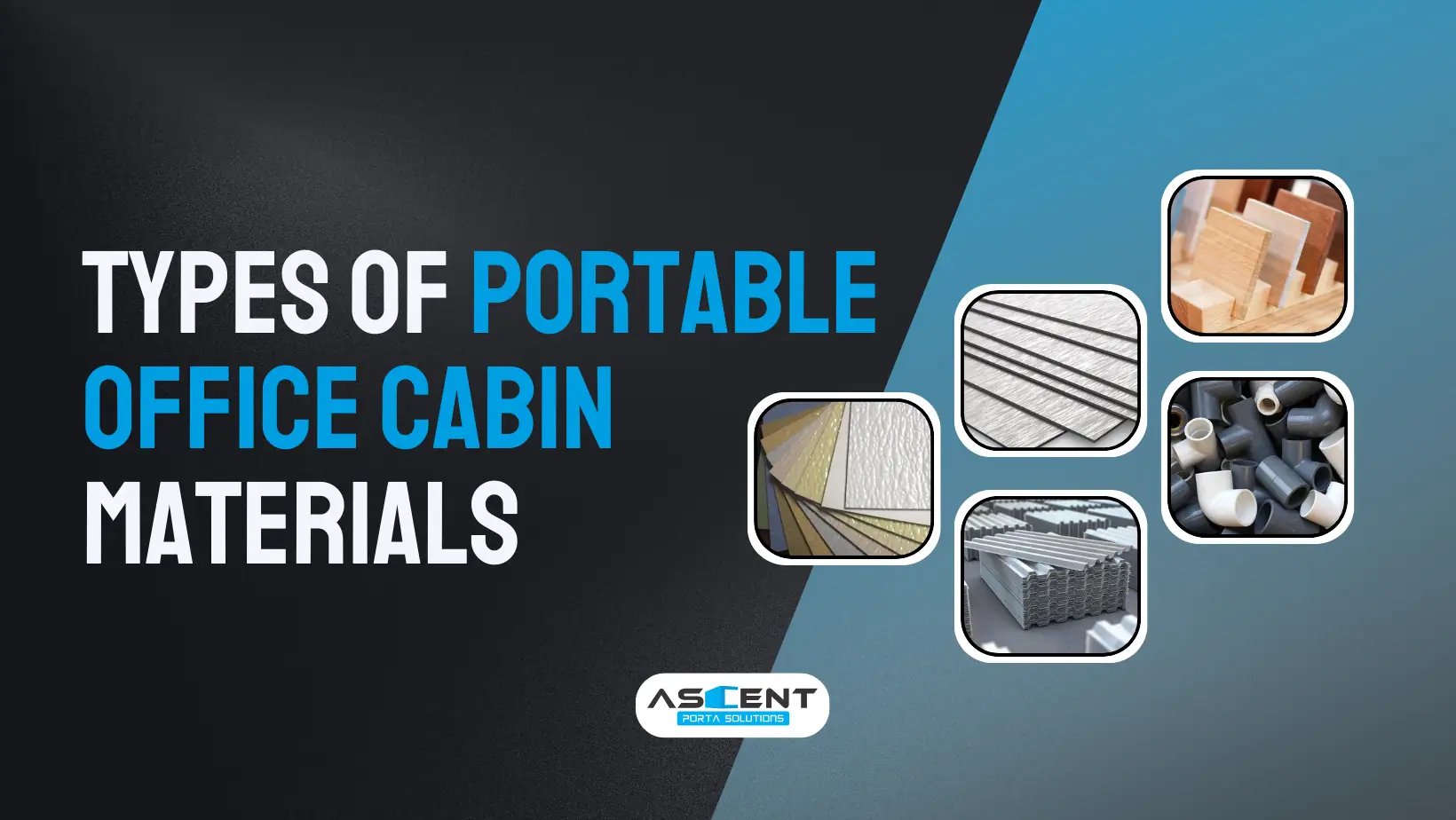
What materials are commonly used in office cabins?
There is no material that suits every portable cabin. The right combination depends on the intended use, size, insulation requirements, budget, transportation method, expected service conditions and maintenance needs of the cabin.
Steel frame:-
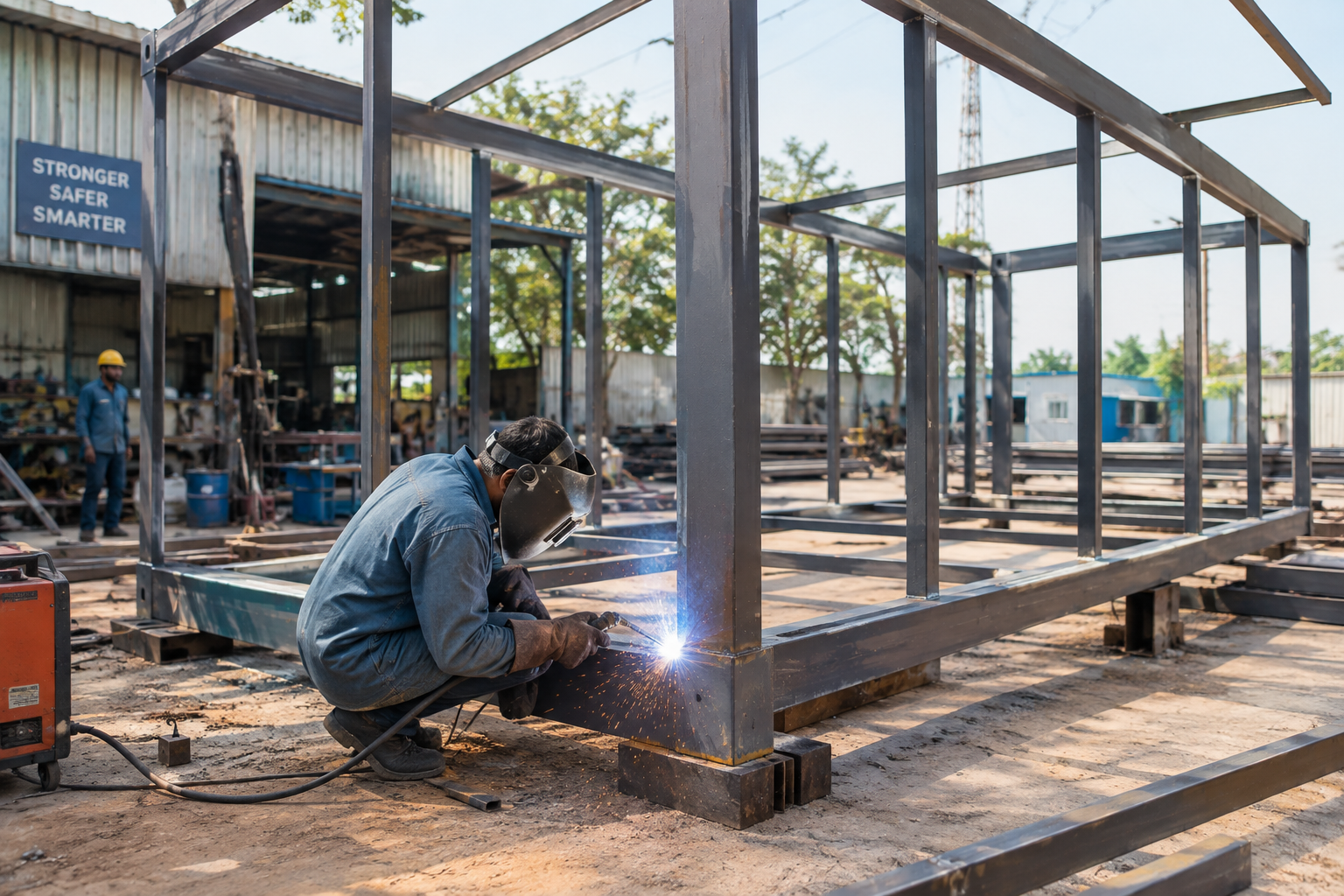
Steel is commonly used as the framework for prefabricated portable cabins. It can provide an predictable structural system when properly designed, fabricated, connected and protected on the portable cabin. However the word "steel" alone does not tell you the quality of a cabin. The frame sections, design, connections, welding or fabrication quality and corrosion protection all matter for the cabin.
PUF and other insulation systems Insulated panels can improve the performance of an enclosed portable cabin compared with an uninsulated enclosure. If a manufacturer proposes PUF insulation ask for the panel specification and thickness for the cabin. Also ask how the panels connect and how the joints are sealed on the cabin.
The insulation should be evaluated with ventilation, glazing, roof design and air‑conditioning requirements of the portable cabin.
Flooring The floor needs to match the intended usage of the cabin. PVC or vinyl flooring can be useful in office environments because it is practical to clean and maintain while other flooring options may suit heavier‑duty applications for the cabin. Ask about the flooring material, substrate, moisture protection and expected usage of the cabin.
Roofing:-
-1790230008619.png)
The roof needs to manage rainfall provide thermal performance and withstand expected environmental exposure of the portable cabin. For Mumbai pay attention to roof slopes, joints, drainage, flashing and penetrations on the portable cabin. A good roof is more than a sheet placed over the cabin.
How does transportation affect an office cabin in Mumbai?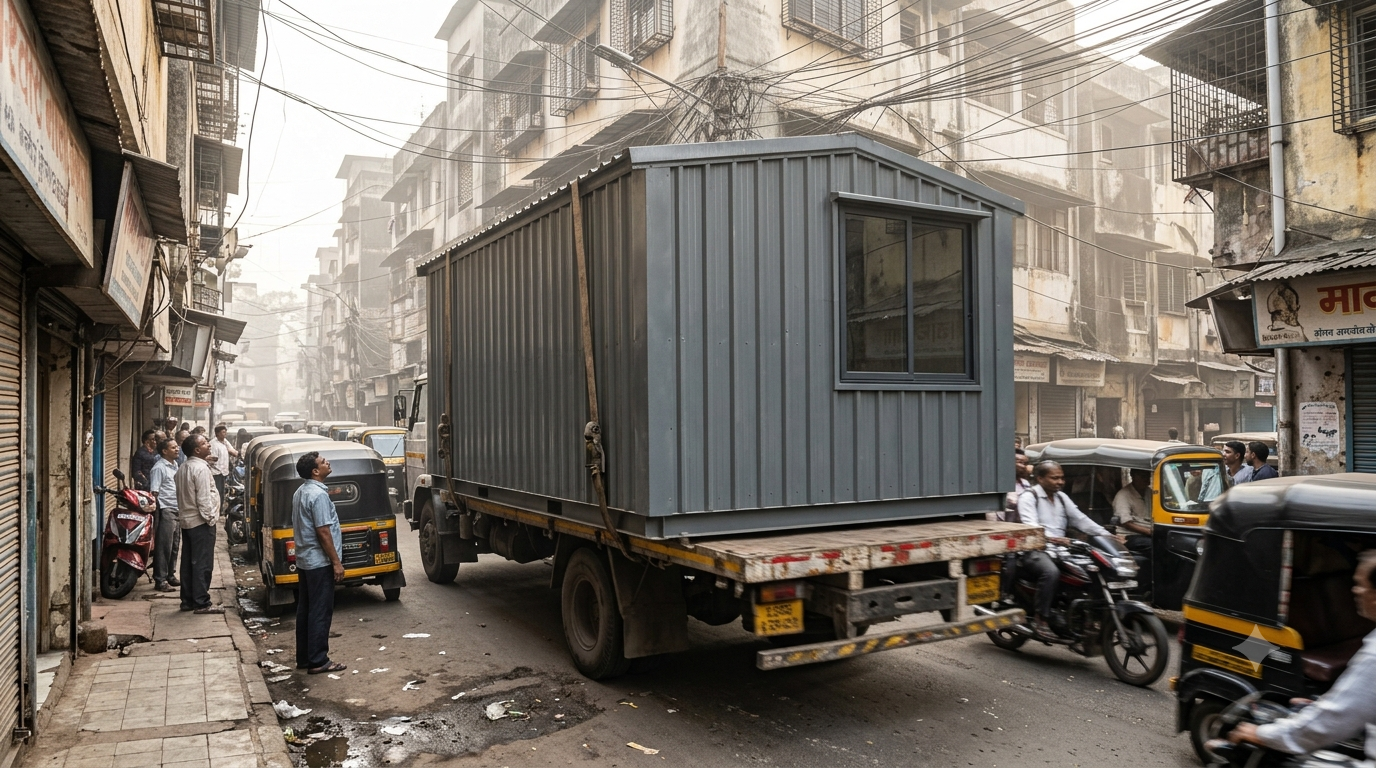
Transportation should be planned before manufacturing begins for the cabin. Mumbai and MMR have a range of site conditions from major industrial areas to narrow internal roads and congested urban locations for the portable cabin. The cabin’s dimensions, weight, transport vehicle, route, unloading method and site access all need to be considered.
What should you check before delivery?
Ask the manufacturer:
- What vehicle will transport the cabin?
- What are the cabin’s transport dimensions?
- What is its approximate weight?
- Will a crane be required?
- Can the vehicle enter the site?
- Is sufficient turning space available?
- Are there wires or other obstructions?
- Who will handle unloading?
- Who will arrange the crane if one is required?
- Are any local restrictions relevant, to the planned delivery?
Vehicle dimensions and movement are governed by motor‑vehicle regulations and the actual transport arrangement depends on the vehicle and load of the portable cabin.
The actual transport arrangement depends on the vehicle and load of the cabin. This means that transport should be treated as part of the project plan of as an afterthought.
What site measurements should you take before ordering?
Measure more than the area where the cabin will stand. The delivery route matters as much as the final installation area. A cabin may fit perfectly inside a property. Still be difficult to deliver if the entrance is narrow or if the transport vehicle cannot turn.
What should your site‑access checklist include?
Gate width: Measure the entrance accurately.
Road width: Check whether the transport vehicle can approach.
Turning space: Confirm that the vehicle can manoeuvre.
Overhead clearance: Look for wires, trees, signs, bridges and other obstructions.
Ground condition: Check whether the vehicle and unloading equipment can operate safely.
Installation area: Confirm that the cabin has room for positioning.
Unloading area: Decide where the cabin will be handled before placement.
This information should reach the manufacturer before fabrication starts.
What features should a portable office cabin include?
A portable office cabin should be designed around its usage. At minimum discuss lighting, electrical outlets, switches, distribution boards, fan points, air‑conditioning provisions and cable routing. If the cabin will contain computers, printers, CCTV equipment, routers, servers or other electrical equipment mention these requirements before fabrication. This allows electrical points to be planned properly than added later.
What about air conditioning and ventilation?
Mumbai's warm and humid conditions make ventilation. Cooling important for office comfort. The cabin design should consider window placement, insulation, ventilation, electrical capacity and AC provisions. A small cabin occupied by one person may have different requirements from a larger office with several employees and multiple computers. Design the cabin around its workload not just its dimensions.
How much does a portable office cabin cost in Mumbai?
There is no price that applies to every portable office cabin. The final cost can depend on the cabin size, structural specification, wall system, insulation, flooring, doors, windows, electrical fittings, interior finishes, transportation, installation and customization. A lower quotation may also exclude items that another supplier has included. That is why comparing the headline price can produce a misleading result.
What should a quotation include?
Ask for a written quotation covering:
Cabin dimensions
Structural specification
Wall system
Roof specification
Insulation
Flooring
Doors and windows
Electrical fittings
Interior finishes
Transportation
Unloading
Installation
Taxes
Warranty
Delivery timeline
Exclusions
Two cabins with the external dimensions can have very different specifications. Compare the specifications line by line before comparing prices.
What permissions should you check before installing a cabin in Mumbai?
Do not assume that a cabin being "portable" means that no permission or approval applies. The requirements can vary according to the location land use, project type, duration, utilities and local authority. BMC publishes information and services related to building and other permissions within its jurisdiction while specific project requirements may need to be confirmed with the authority or consultant. The manufacturer can provide drawings and technical details. The property owner or project team should confirm the permissions applicable to the site.
How should you compare office cabin manufacturers in Mumbai?
| Factor | What to check |
| Experience | Relevant portable cabin manufacturing experience |
| Structure | Frame material and structural specification |
| Waterproofing | Roof, joints, doors and windows |
| Insulation | Type and thickness |
| Flooring | Material and substrate |
| Electrical | Wiring, outlets, DB and AC provisions |
| Customization | Layout size and finishes |
| Transport | Vehicle route and unloading |
| Installation | Site installation scope |
| Warranty | Written warranty terms |
| Drawings | Technical specifications and layouts |
| After‑sales | Support and repair process |
Create a checklist. Compare manufacturers against the same technical and service requirements. This is more useful than selecting a supplier based on the lowest quotation. Portable office cabin manufacturer comparison checklist:-
What questions should you ask portable office cabin manufacturers?
Before placing an order ask practical questions that reveal what is actually included.
Is the cabin suitable, for Mumbai's monsoon?
Ask about the design features that deal with heavy rainfall water coming in roof drainage and water at ground level.
What are the structural specifications?
Request information about the frame material the sections used, the connections and the structural design considerations that apply.
What insulation is being used?
Ask for the insulation material and its thickness rather than just saying the cabin is insulated.
How will the cabin be transported?
Confirm the type of vehicle the transport dimensions how unloading will be. Any crane requirements.
What happens if the site has restricted access?
Discuss whether the cabin can be moved as modules or if another installation method is better.
What does the quotation include?
Get the inclusions and exclusions in writing.
What warranty is provided?
Check the warranty period the components covered, the exclusions and the service process.
Can you provide project references?
Project photographs help but real project references or detailed case studies give context.
Why should you not choose a manufacturer based on photographs?
Photographs show how a cabin looks. They rarely reveal the full construction system. Two cabins can look the same on the outside yet they may have different frame sections, insulation, flooring, electrical systems roof construction and waterproofing details. Ask for information together with photographs.
This follows a rule of useful online information: evidence and specific details are more valuable than generic claims. Google’s search documentation stresses making reliable people‑first content not just content aimed at search‑engine tricks. The same logic applies when evaluating a manufacturer: look beyond the photograph.
What are the practical benefits of using an office cabin?
A portable cabin can give you a workspace built with a prefabricated approach. The main benefit is that most of the building can be done off site, which cuts down on the construction needed at the location. This is useful when a project needs an office fast or when the workspace might later be moved.
For instance a construction company might need an office near a site during construction and then move or reuse the cabin later. However portability does not remove the need for planning. The cabin still needs support, safe electrical installation, good drainage, transport planning and any site permissions.
When should you contact an office cabin manufacturer?
Ideally contact the manufacturer before you finish site preparation. Share the intended location the cabin size, its purpose, the number of users the access conditions and the required features. This lets the manufacturer spot transport or installation problems early.
A good enquiry should include:
- Project location
- Cabin purpose
- Required dimensions
- Number of users
- Number of cabins
- Insulation requirement
- AC requirement
- Electrical requirements
- Door and window preferences
- Delivery timeline
- Site-access limitations
to discuss your Mumbai project?
If you already know the size and purpose of your cabin you can move to the next step.
Get Mumbai Quote and share your project location, the required dimensions and the basic specifications so the quotation can be prepared around your requirements.
What should you verify before placing your order?
Use this checklist before confirming your portable office cabin.
- Dimensions match the available site.
- Structural specifications are documented.
- Roof and wall joints have weather‑protection details.
- Insulation type and thickness are confirmed.
- Flooring is suitable for office use.
- Electrical points match your equipment requirements.
- AC provisions are included if required.
- Transportation has been planned for the actual location.
- Crane and unloading requirements are confirmed.
- Finished floor level and drainage have been considered.
- Applicable permissions have been checked.
- Warranty terms are available in writing.
- Quotation inclusions and exclusions are clear.
- Delivery timeline is confirmed.
- Installation responsibility is clearly assigned.
Summary
Choosing office cabin manufacturers in Mumbai involves more than comparing prices. Mumbai's monsoon conditions make roof detailing, waterproofing, drainage and finished floor levels considerations. The city's traffic, narrow access routes and varied site conditions also make transportation and unloading planning essential. Before ordering buyers should verify the frame, wall and roof systems, insulation, flooring, electrical provisions, ventilation, transportation requirements, installation scope, warranty and applicable permissions.
The useful approach is to compare manufacturers using the same technical checklist and ask for every important specification, in writing. For Mumbai and MMR projects the correct portable office cabin must be built around the site, the weather how it will be used and how it will be delivered, not just a generic catalogue specification. The portable office cabin should match the conditions on site.
If you are planning an office, for a construction site, factory, warehouse, infrastructure project or commercial location Get Mumbai Quote by sending your basic requirements and site details. The portable office will be ready once the details are reviewed.